
Zakat is not merely an act of giving — it is a system for restoring dignity and rebuilding lives. Through the Zakat Campaign 2026, Genesis Foundation turned one-time relief into lasting self-reliance.
The premise is simple. A food parcel feeds a family for a week; a rickshaw, a sewing machine or a stocked shop feeds it for years.
Under the 2026 campaign, Zakat contributions were channelled into four livelihood tracks: rickshaw distribution for struggling earners, sewing-machine assistance for women starting home-based tailoring, small- shop support for aspiring entrepreneurs, and a farmer support initiative supplying seeds, tools and training.
Essential food packages ran alongside, so that families could observe Ramadan with dignity while their longer-term footing was built.
In Naria, the proof has a name. Anwar chacha’s roadside shop had decayed past the point where it could hold stock or customers. Through the Foundation’s self-reliance programme, the shop’s structure was rebuilt and he continues to receive business support so the enterprise stays on its feet — one of a growing number of beneficiaries for whom Zakat became a turning point rather than a stopgap.
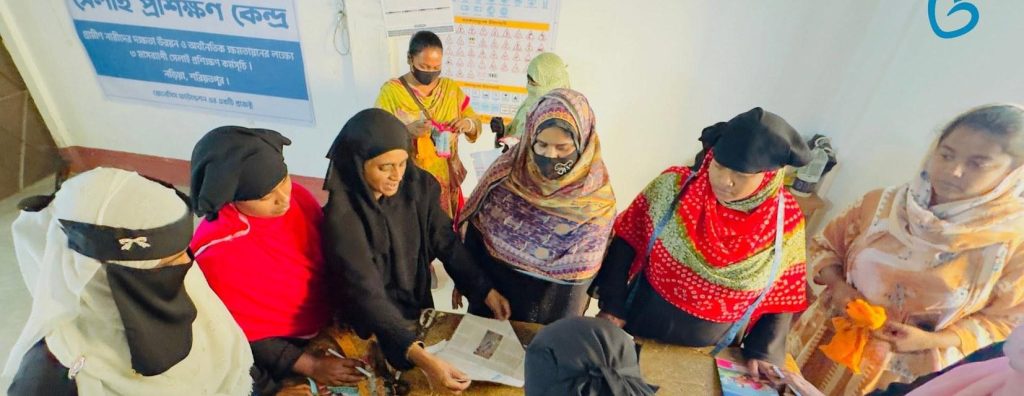
Skills complete the cycle. Under the Entrepreneurship Development Project, a three-month tailoring course for rural women resumed with new energy after Eid — graduates leave with a marketable trade, and the best of them with machines of their own. Hands-on training, the Foundation believes, is what turns a beneficiary into a businesswoman.
This story first appeared in GENESIS: The Impact Magazine, Annual Review 2025–26.